A bloke at Figtree rang me with two quotes on the table and no idea why one was about double the other. The first said repoint the ridges. The second said re-bed and repoint. Same roof, same week, and he had decided one of them was having a lend of him.
Neither was. They are two different jobs. His roof only needed the cheaper one, and I could tell that from his back lawn before I put a ladder up.
What is actually holding the capping on
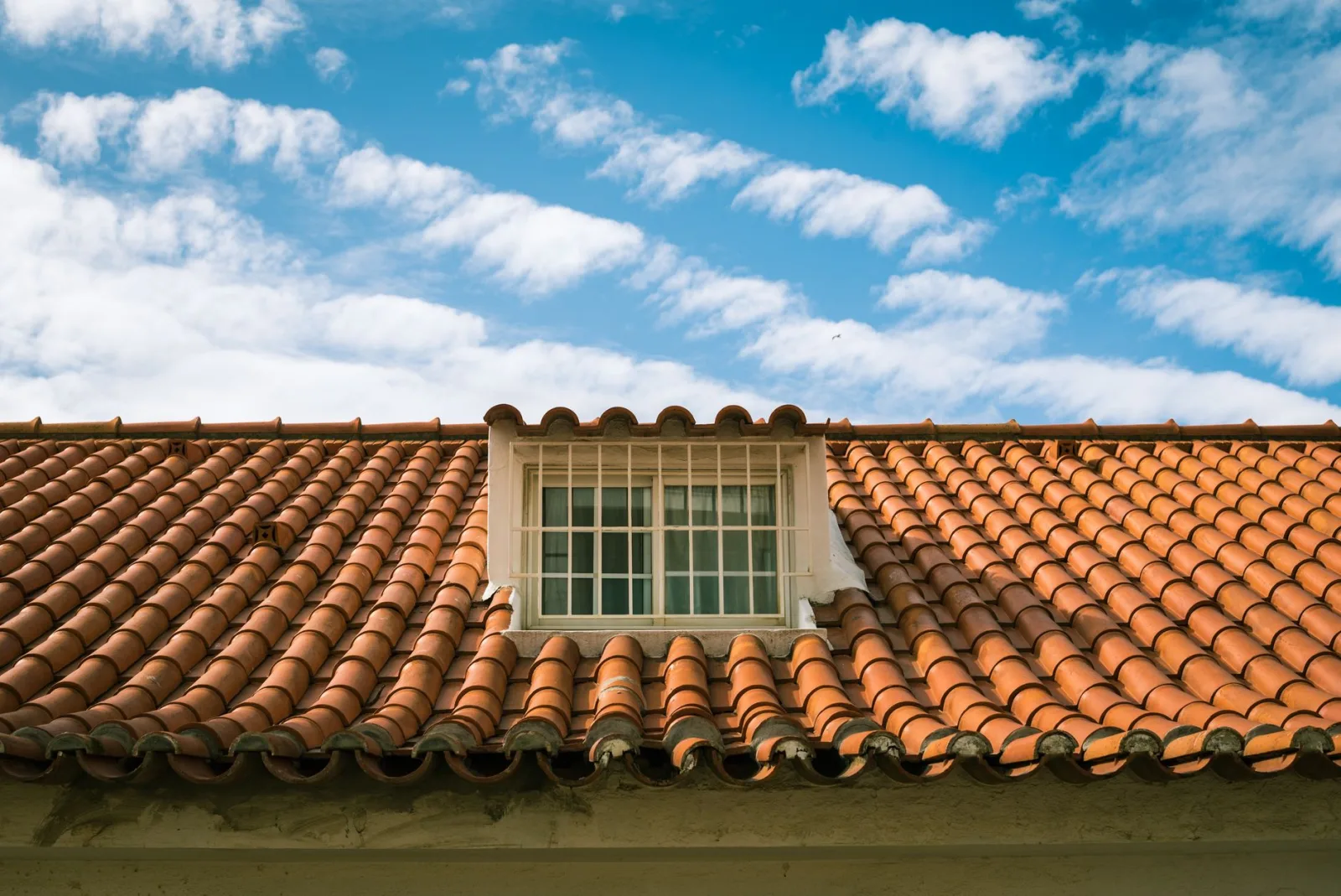
The capping is the row of curved tiles running along the ridge line at the top and down the hips on the corners. Under each one sits a bed of mortar, and that bed is what holds the cap in place. Over the outside of the joint, where the cap meets the field tiles, sits the pointing. The pointing is the part you can see from the ground.
Two layers, two different failure modes. The bedding is structural. The pointing is the weather seal. Almost everybody looks at the visible one and assumes it is the whole story.
Repointing is the surface job
Repointing means raking out the old pointing, cleaning the joint back, and running in fresh flexible pointing compound. The capping never moves. The bedding underneath is left alone because it is still doing its job.
That is the right call when the cracking is on the surface only. Hairline cracks along the joint line, a bit of crumbling at the ends, maybe some staining, but every cap still sitting true and solid. It is the cheap end of roof work and it comes up more often than people expect, because pointing has a shorter life than the mortar underneath it and it is the thing exposed to the weather.
The flexible part is not a sales word. Old-style pointing was straight mortar, which is rigid, and a roof is not. Tiles move with heat and cold and the whole structure shifts a little as the house does. Rigid pointing cracks again within a few years because it has nowhere to go. Flexible compound moves with the roof and stays sealed. If somebody quotes you a repoint in sand and cement, ask why.
Re-bedding is the one underneath
Re-bedding is the bigger job and the one people flinch at. The caps come off, the old mortar gets cleaned off the roof and the underside of the caps, a fresh bed goes down, the caps are re-laid back to a straight line, and then the joint gets pointed on top. Repointing is part of re-bedding, which is exactly why the two words get used as if they mean the same thing when people are quoting.
You need it when the bedding has failed rather than the pointing. That is not a subtle condition. Caps rock or shift under hand pressure. Whole caps sit proud of their neighbours so the ridge line reads wavy instead of straight. You can see daylight in under an edge. At that point repointing on its own is money spent sealing a cap that is no longer attached to anything, and it will let go again.
Picking which one from the ground
You do not need to get up there, and I would rather you did not. Most of the tells are visible from the yard with a decent phone camera on zoom.
Sandy grit collecting in the gutters after rain is bedding mortar washing out, and it is the earliest warning you get. That one is in the roof warning signs post along with the rest of the pre-winter check. Moss or weed growing out of a ridge joint means the joint holds water, which means it is open. A ridge line that no longer runs straight when you sight along it from one end has caps that have moved, and caps only move when the bed under them has gone.
Against all that, a ridge that reads dead straight with fine cracking along the pointing is a repoint. Nothing more.
The honest version is that the two are not always cleanly separated on one roof. Ridges facing the weather go first down here, so I have re-bedded a southern hip and repointed the rest of the same roof plenty of times. Anyone who quotes the whole roof for re-bedding without walking it is guessing, and guessing in the expensive direction.
Why this is repair work, not roof plumbing
Worth being clear about, because "roofer" covers two separate trades in NSW and the licensing sits differently on each.
Bedding and pointing are roof tiling. NSW puts it plainly on the roof tiling work page: roof tiling work "includes tile bedding and pointing, and putting in flashing valleys, anti-ponding board, sarking and battens". It sits under the general building work rules, which means a contractor licence is required once a job is valued at more than $5,000 in labour and materials including GST. Capping repairs of the kind above sit under that, which is the end of the trade we take on. The licensing post goes through how that figure is worked out and which trades ignore it entirely.
The other half of the roof is somebody else's. NSW defines roof plumbing work as any work involved in fixing, installing, renovating, altering, repairing and maintaining guttering, downpipes, roof flashing and roof coverings, and the same page notes it does not cover coverings made of non-metallic tiles and slates. That is the cleanest line anyone has drawn on this: tiles are our end, metal and gutters and flashings are the roof plumber's, and you want the right trade rather than the available one.
So if your leak is at a gutter line, around a metal flashing, or anywhere on a Colorbond roof, that is a licensed roof plumber and we will say so rather than quote it. Cracked capping, slipped and broken tiles, and the leaks that come from both are roof repairs and they are ours.
Timing, and why coastal roofs are worse
Bedding mortar has a working life anywhere. Between Helensburgh and Batemans Bay it is a shorter one, because salt air and driven rain get into every hairline crack and work it open faster than they would twenty kilometres inland. Roofs I look at near the water are often asking for capping work at fifteen years when the same roof at Albion Park would go longer.
Do it dry. Fresh pointing wants a few clear days to cure, so booking capping work in the middle of an east coast low is starting the job at a disadvantage. Late winter through spring is the sensible window down here, which is now.
If you are looking at a ridge line and cannot tell whether it is straight, send photos through. Take one along the ridge from each end at eye level, one of the gutter under the worst-looking run, and a close-up of the pointing. That is usually enough for me to tell you which of the two jobs you are actually buying, and whether it can wait.
Want a hand with this at your place? Get a free quote or call 0450 959 936.