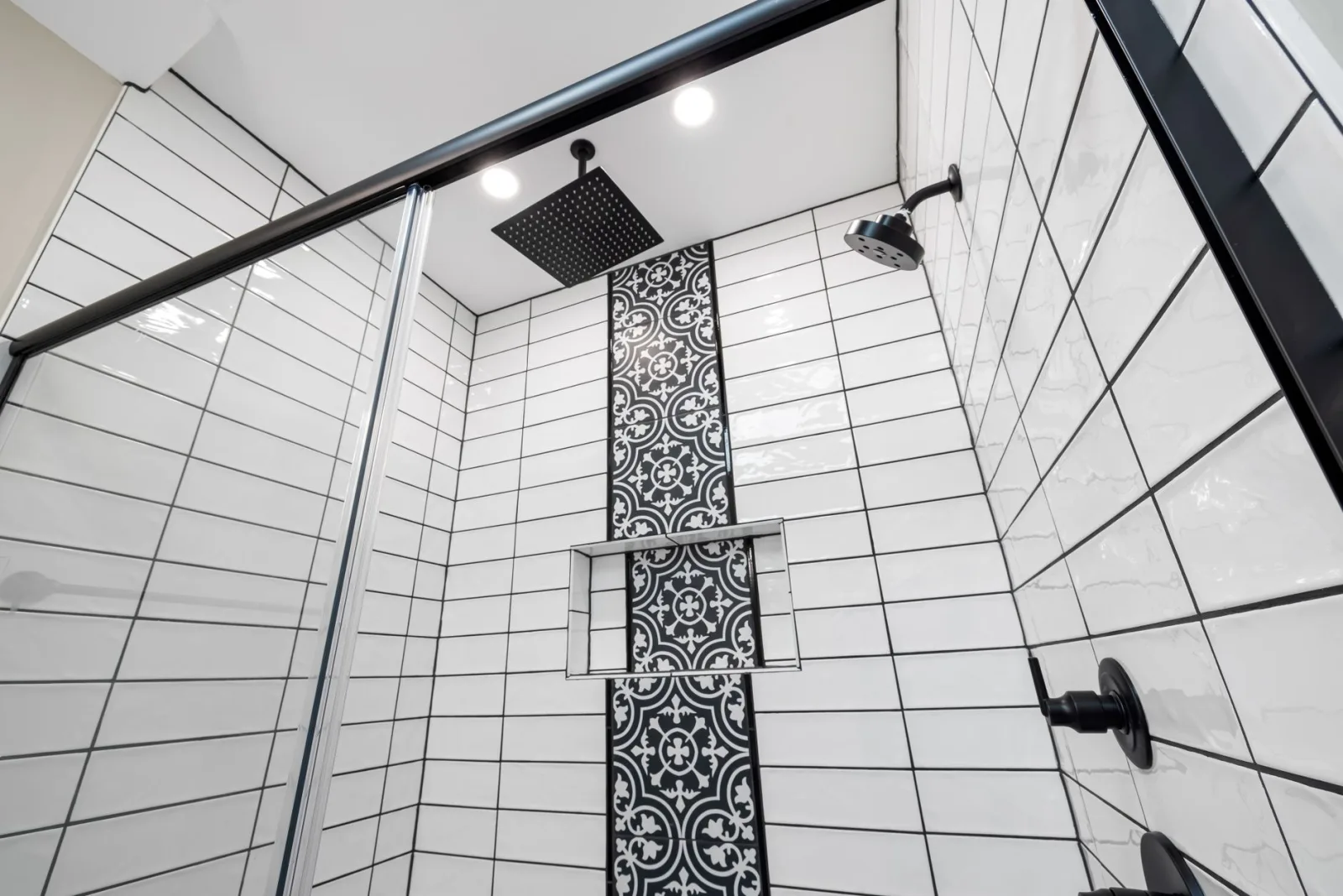
People ring up asking for a regrout the way they ask for a haircut. It is a fair request and about half the time it is the right one. The other half, the grout is the symptom rather than the problem, and regrouting buys six months before the same cracks come back in the same places.
Sorting out which one you have takes about ten minutes and a set of knuckles.
Grout is not what keeps water out of the wall
Worth clearing up first, because it drives everything else. Grout is a filler between tiles. It is not waterproof, it was never meant to be, and a shower that relies on it has already failed. What keeps water out is a membrane behind and beneath the tiles, installed to AS 3740, the standard for waterproofing domestic wet areas.
So water goes through grout. Always has. The membrane catches it and drains it back into the waste. When people say a shower is leaking, what they usually mean is the membrane has stopped doing that, and no amount of grout on the front face changes it.
The tap test
Go over the tiles with a knuckle or the back of a screwdriver handle. Most of them will sound solid and dull. Some will sound hollow, a bit like tapping a cardboard box.
Those are drummy. The tile has lost its bond with the bed underneath, and the cavity behind it is where water sits. Regrouting around a drummy tile is a waste of a Saturday, because the problem is under the tile rather than between them. A couple of drummy tiles in a corner is a repair. A whole wall of them means the bed has let go and the tiles are coming off.
Same test on the floor, especially in the corners and along the hob. Floor tiles that have gone drummy in a shower base are usually telling you the membrane below them is old.
What the room next door is doing
This is the bit people skip, and it is the most informative thing in the house.
Walk into the room on the other side of the shower wall. Look at the skirting boards, the bottom of the door architrave and the floor covering along that wall. Swelling, lifting paint, dark staining or a carpet edge that smells musty means water is getting past the tiles and into the frame. A regrout will not touch that.
Also worth checking the ceiling below if the bathroom is upstairs, and the outside wall if the shower is on one. Water always shows up somewhere, and it is rarely directly behind the leak.
Silicone is a wear item, not a repair
The joints where the wall meets the floor, and where two walls meet in a corner, are silicone rather than grout, and they are meant to be. Those junctions move. Grout in a moving joint cracks by design.
Silicone has a life of a few years in a shower that gets used daily, less if it gets scrubbed with anything harsh. Mouldy, split or lifting silicone is normal maintenance and cheap to renew. The mistake is grouting those corners because the grout looks tidier, which lasts until the first hot shower and then cracks straight down the line.
So which is it
Sound tiles, grout that has discoloured, gone powdery or cracked in the field, nothing odd happening in the next room: that is a regrout, and it is the single highest-impact thing you can do to a tired bathroom for the money. Most bathrooms that look finished are just badly grouted. Cut out the old grout properly, renew the silicone, and it reads as a new shower.
Drummy tiles across a wall, movement in the floor, damage showing up in the adjoining room: the tiles are coming off, and once they are off the waterproofing has to be redone before anything goes back. That is a different job with a different price and a different set of rules attached to it.
The middle case is a handful of cracked or drummy tiles with everything else sound, which is a lift-and-relay of those tiles. That is worth doing early. Left alone, one drummy tile becomes a wet bed and then a wall.
Where we stop
Regrouting, resiliconing, replacing cracked tiles and relaying small areas is repair work and it is what the bathroom tiling page covers. Straightforward, and it sorts out most of the showers we get asked to look at.
A full waterproofing replacement is a different animal. Waterproofing wet areas is work NSW Fair Trading treats seriously, and a bathroom strip-out will almost certainly land over the $5,000 threshold in the Home Building Act, which means a licensed contractor. The NSW Government's waterproofing work guidance is the place to start, and the licensing thresholds are worth knowing before you get quotes. If your shower is at that point we will say so rather than sell you a regrout that fails by Christmas.
If you are not sure which side of the line yours sits on, do the tap test, look at the room next door, and send us what you find. Photos of the corners and the skirting on the other side of the wall usually answer it. Other tiling work around the house follows the same logic: fix what is sound, replace what is not, and be honest about the difference.
Want a hand with this at your place? Get a free quote or call 0450 959 936.